
Children often feel naturally curious about the outdoors, but that connection can fade if it is not nurtured. When it comes to this modern and technologically advanced era, where most of our kids spend almost 80 percent of their time in front of screens, encouraging them to step out on the grass can be quite challenging. Good for you that helping children develop respect and care for nature does not require grand gestures. With some small and consistent habits, everyday conversations, and shared experiences, you can help build nature awareness over time, which we have listed down in detail below.
Start With Observation
Encourage children to slow down and notice what is around them. This could be watching ants move, listening to birds, or noticing how leaves change with the seasons. When children observe, this observation builds appreciation of nature, which is the first step toward care.
Spend Time Outdoors Regularly
Nature becomes meaningful when it is familiar. Therefore, make sure to take your kids on regular walks, park visits, or time in a garden to help them see nature as part of daily life rather than something distant or special occasion based.
Teach Respect Through Action
Much like the pets and their other essential and cared-for items, show children how to treat nature gently. Avoid pulling plants unnecessarily, leave animals undisturbed, and clean up after outdoor activities. Children often learn more from what adults do than what they say, so it is best that you portray these attributes to them, whether through a role-playing game or planning a scavenger hunt in the garden.
Talk About Cause and Effect
Help children understand how actions affect the environment. How, you may ask? Simple conversations about litter, water use, or caring for plants make responsibility feel understandable rather than overwhelming. When children know that their action would lead to a consequence, they would likely to refrain from doing things that could possibly harm their environments.
Encourage Curiosity Without Fear
Children should feel safe asking questions about insects, weather, or animals. Therefore, when your child comes to you with a question (Even the silly ones), make sure to listen to them and be attentive and answer them properly. When curiosity is welcomed, fear tends to fade, and understanding takes its place.
Make Nature Part of Stories
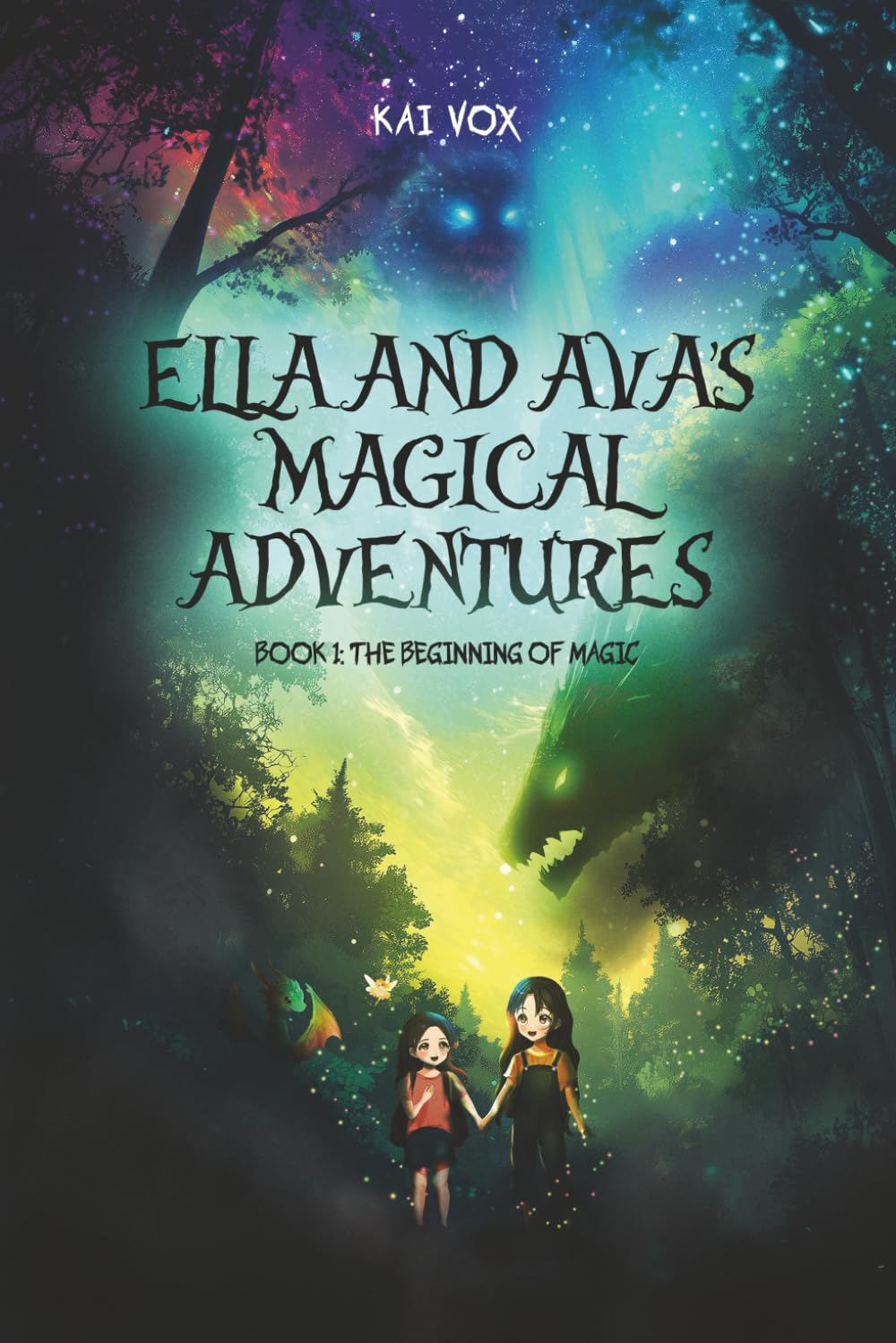
We all know that books play a powerful role in shaping how children see the world. Stories that treat nature, such as Ella and Ava’s Magical Adventures, with good storytelling and thematic nuance can help reinforce positive attitudes. When children see characters caring for the natural world, it feels meaningful rather than forced.
Involve Children in Small Responsibilities
Caring for a plant, helping with recycling, or watering a garden gives children a sense of ownership. Being responsible and gardening builds respect and confidence at the same time. So, assist your child in raising their first plant.
Connect Emotions to Nature
Discuss the sensation of being outside. Responses like “calm,” “excited,” or “curious” are acceptable. Children are more likely to appreciate nature when they understand how it influences their emotions.
While the above ways will allow your children to be more supportive and protective towards nature, a good story, like Ella and Ava’s Magical Adventures by Kai Vox, gently reinforces many of these ideas. Through forests, magical creatures, and thoughtful choices, the book shows nature as something living and deserving of care. The lessons feel natural because they are part of the journey.
Follows two sisters who discover a hidden world of magic woven into nature itself. As Ella and Ava explore enchanted forests and meet magical companions, they are drawn into a journey that challenges them to grow, reflect, and support one another. The story blends adventure with gentle lessons about empathy, courage, balance, and respect for the natural world, all presented through relatable experiences rather than instruction. Written in clear and accessible language, the book is designed for readers aged 7 to 11 and offers an engaging reading experience that supports imagination, emotional growth, and thoughtful decision-making.
If you are looking for a story that supports imagination while encouraging respect for the natural world, Ella and Ava’s Magical Adventures is worth reading with children. It offers a quiet reminder that caring for nature begins with awareness, kindness, and balance.
Read Ella and Ava’s Magical Adventures today, available on Amazon: https://www.amazon.com/dp/1968615768.