
Every parent hopes their child grows up to be kind, confident, and emotionally aware. But these qualities don’t develop overnight. They’re learned through experience, observation, and connection. One of the most effective and enjoyable ways to nurture emotional intelligence in children is through the use of storytelling. Books like Ella and Ava’s Magical Adventures by Kai Vox show how stories can teach children to recognise feelings, understand right from wrong, and respond to others with empathy and kindness.
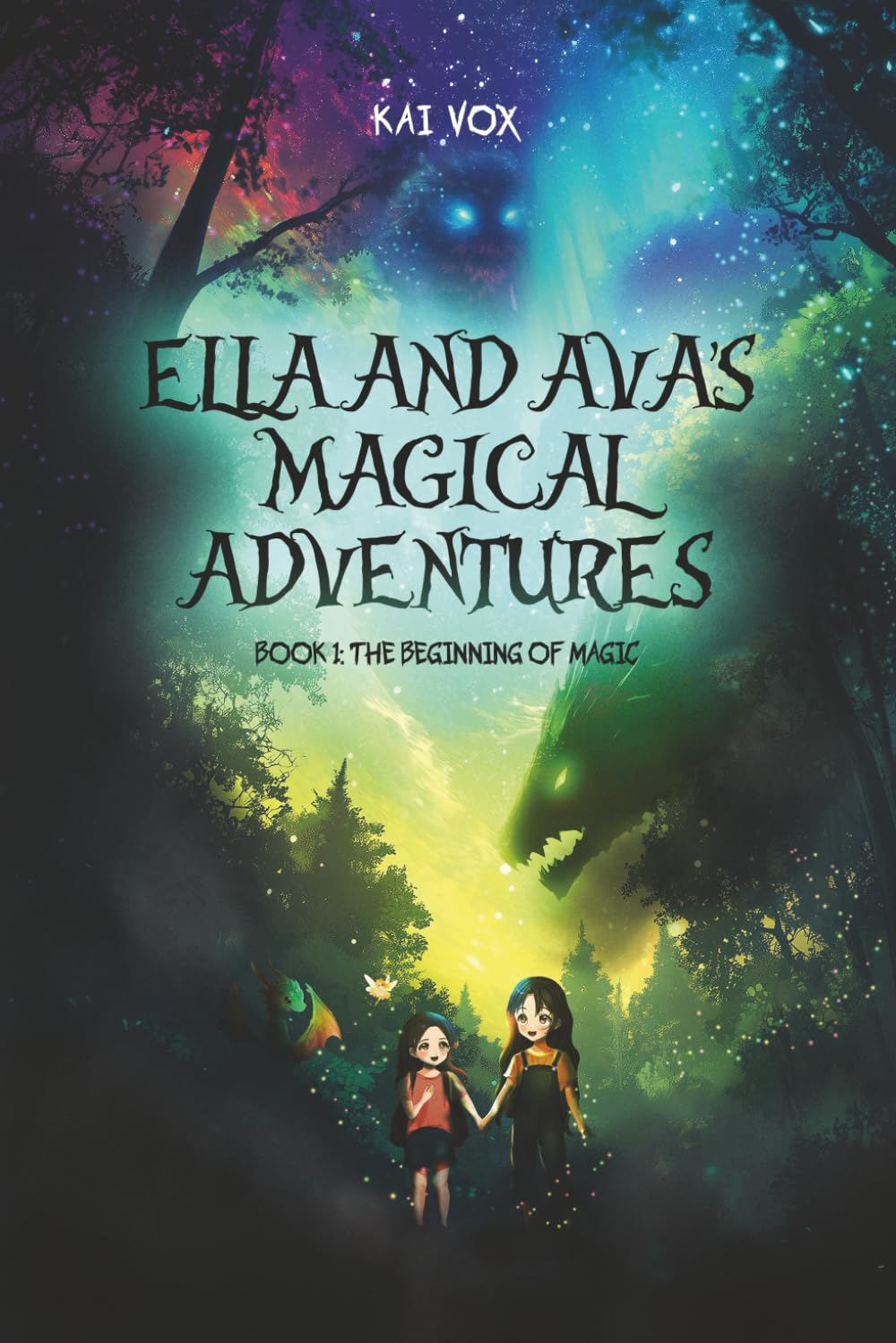
Stories provide children with a safe space to explore emotions they may not yet have words for. When young readers see characters experiencing fear, joy, anger, or sadness, they learn to identify those same emotions within themselves. In Ella and Ava’s Magical Adventures, the two sisters face both magical and emotional challenges, times when they’re scared, uncertain, or in conflict. Watching how they react, recover, and grow helps children understand that feelings are normal and manageable. It also shows that courage often means staying calm and kind, even when things don’t go as planned.
Understanding Right and Wrong Through Choices
Emotional intelligence isn’t only about feelings. It’s also about values and decision-making. Stories give children the chance to see how choices lead to consequences. When Ella and Ava encounter magical creatures or face tricky situations, they must decide whether to act with fairness, honesty, or compassion. For example, when they encounter a frightened creature in the forest, they choose to help rather than run away. These moments gently demonstrate that doing the right thing may require effort, but it always leads to better outcomes. Parents can use these scenes as simple teaching tools, asking, “What choice would you make?” or “Why do you think that was kind?”
Empathy Through Connection
One of the most powerful lessons storytelling offers is empathy, the ability to understand and care about how others feel. As Ella and Ava meet characters like Athena the fairy, Zataka the wise dragon, and Wheezy the young dragon, they learn that everyone has their own struggles. They listen, help, and forgive, even when they don’t fully understand another’s perspective. It teaches young readers that kindness isn’t just about being nice; it’s about being genuinely kind. It’s also about paying attention to others’ emotions and offering support when needed.
Why Emotional Literacy Matters
Children who learn to recognize and understand their emotions are better equipped to communicate effectively, solve problems, and foster healthy relationships. Emotional intelligence helps them manage frustration at school, cooperate with friends, and respond thoughtfully rather than impulsively. Through the gentle lessons in Ella and Ava’s Magical Adventures, kids learn that it’s okay to feel angry or scared, but how they choose to act makes all the difference.
Bringing the Lessons Home
Parents and teachers can reinforce these lessons through discussion. After reading a chapter, ask questions like:
- “How do you think Ella felt in that moment?”
- “What did Ava do to make things better?”
- “How can we show kindness like they did?”
These conversations help children connect emotions in the story to their own lives, turning reading into a powerful form of emotional learning.
Stories teach more than words; they shape hearts. Ella and Ava’s Magical Adventures is not just a journey through magical lands; it’s a heartfelt guide to understanding feelings, making good choices, and showing kindness in a sometimes confusing world. For families seeking to foster empathy and courage through the joy of reading, Ella and Ava’s Magical Adventures by Kai Vox is the ideal starting point. Start reading from today!
Available on Amazon: https://www.amazon.com/dp/1968615768